The Complete Guide to Casino App Features
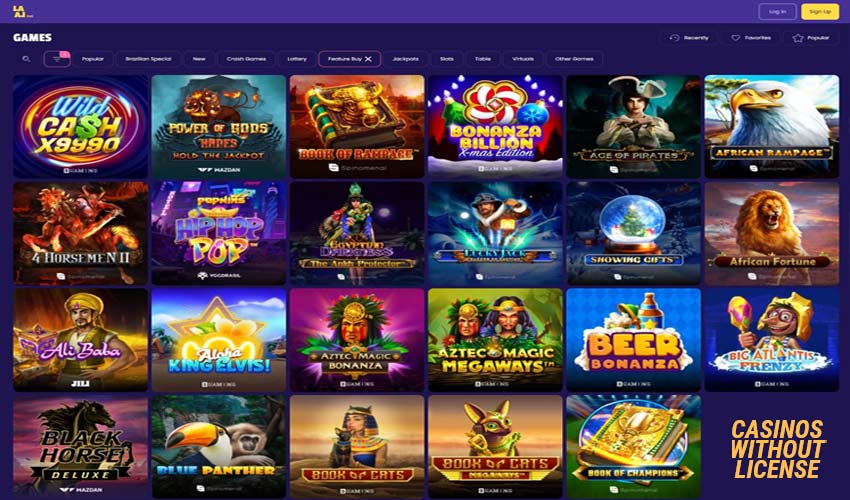
Casino mobile apps have transformed the way users access real-money games, shifting the experience from large desktop systems to sleek, pocket-sized entertainment hubs. A properly designed casino application does far more than merely shrink a website to match a smaller screen. It leverages device hardware, optimizes touch interactions, and adds exclusive functionalities that browser-based platforms cannot match. For anyone considering installing a dedicated casino app like the app download lalabetcasino mobile application, grasping the core feature set is the initial step toward a more fluid and more rewarding experience. This guide details every critical component, from installation and navigation to security, payment processing, game performance, and customer support. By analyzing what differentiates a polished app from a mediocre one, players can choose wisely and prepare their devices for uninterrupted play. The sections that follow look into device compatibility, download steps, touch-optimized game lobbies, push notification management, biometric login options, streaming capabilities, and responsible gaming controls, providing a complete overview of the modern casino app landscape.
System Compatibility and Technical Specifications
Prior to starting any download, checking whether a specific smartphone or tablet satisfies the minimum requirements saves time and avoids performance issues. Casino apps like the LalaBet Casino application are usually built for the two dominant mobile operating systems, iOS and Android, each with its own set of version cutoffs. For Apple devices, an operating system of iOS 14.0 or later is typically necessary, which covers iPhone models from the 6s onward and most iPads released after 2016. On the Android side, the app generally requires version 8.0 (Oreo) or newer, with stable support across manufacturers including Samsung, Google Pixel, OnePlus, and Xiaomi. Beyond the OS, available storage space turns into a critical factor. High-quality casino apps with integrated game engines and graphics libraries can require between 150 and 400 megabytes of free space, and that figure grows as games are cached and updates are applied. A device with at least 2 gigabytes of RAM guarantees that live dealer streams and animation-heavy slot titles run without stuttering or unexpected closures.
Screen resolution and aspect ratio also influence the visual output. Modern casino apps adapt dynamically to edge-to-edge displays, notched screens, and foldable devices, but users with older tablets may experience letterboxing or stretched interfaces. A stable internet connection is non-negotiable; while some apps allow offline demo modes for a handful of slots, any real-money wagering, live casino session, or deposit action necessitates a consistent 4G, 5G, or Wi-Fi signal. App developers publish periodic updates to fix security gaps and add new game titles, so enabling automatic updates through the App Store or Google Play Store (or the official APK source) ensures the software aligned with the operator’s server protocols. Players who utilize less common mobile operating systems, such as HarmonyOS or custom Android forks, should confirm compatibility directly through the operator’s support team before attempting installation. Checking these details upfront eradicates the most common setup hurdles.
Slot Library and Real-Time Streaming
Slot Variety and Efficiency
A mobile casino app lives or dies by the depth and usability of its slot collection. Leading apps integrate titles from numerous software providers like NetEnt, Pragmatic Play, Play’n GO, and Evolution, each of which fine-tunes its game clients for touchscreens using HTML5 frameworks. Mobile slots launch directly within the app shell without opening an external browser window, and the top implementations support both portrait and landscape orientations so players can select the grip that seems most comfortable. Functions such as turbo spin, autoplay with loss limits, and swipe-to-spin functionality are designed specifically for mobile gestures rather than simply replicating desktop click patterns. The visual quality must adjust cleanly to high-DPI displays, ensuring text on paytables remains legible without pinching to zoom. Audio design also changes: games mute automatically when a phone call disrupts the session, and sound resumes at the previous volume without surprising the player. Progressive jackpot totals update in real time, displayed clearly on the lobby tile so players can spot seven-figure prize pools at a glance.
Live Dealer Integration
Live dealer games form the most technically challenging segment of a casino app. Streaming high-definition video from a professional studio to a smartphone requires adaptive bitrate technology, which tunes picture quality in real time based on available bandwidth and prevents buffering mid-hand. Dealers are visible in full-screen mode with a collapsible bet panel overlaid transparently, so players can position chips without covering the table. Dedicated live casino sections divide blackjack, roulette, baccarat, and game-show titles into subcategories, and many apps now support portrait-mode tables designed specifically for single-hand play on a smartphone. A live chat window appears alongside the video feed, permitting real-time communication with the dealer and other participants without hiding the action. Latency, gauged in milliseconds, dictates how smoothly the stream aligns with the bet timer; top-tier apps keep this delay under one second. Players can also mark specific live tables—such as a particular roulette wheel or a blackjack seat—and navigate directly to them from the home screen on subsequent visits.
Performance Tuning and Issue Resolution
Ensuring smooth performance across numerous device models necessitates constant improvement from the app development team. Casino apps rely on graphics acceleration to render slot animations and live dealer streams at stable frame rates; if a device overheats or its battery optimization software restricts the processor, the app should elegantly reduce visual complexity rather than crash. Users can improve performance by shutting down background apps that fight for RAM, maintaining the operating system updated, and clearing the app cache periodically through a dedicated option inside the settings menu. When network latency leads to a live blackjack table to freeze, the app presents a spinning icon and tries to reconnect for a adjustable number of seconds before automatically canceling any pending bet according to the operator’s game rules. A built-in connection quality indicator—viewable during live games—shows green, amber, or red status bars so players can determine whether to switch from mobile data to Wi-Fi mid-session.
Typical troubleshooting steps are reachable even when the app struggles to load properly. A force-stop function reachable through the phone’s system settings purges the application from memory without deleting saved preferences or login tokens. If persistent crashes take place after an OS update, reinstalling the app from a fresh download package solves most conflicts, and the player’s balance and game progress stay safe on the server side. Support teams can from a distance diagnose issues if the user provides temporary log access through an in-app permission prompt. By presenting proactive maintenance reminders—such as suggesting a cache clearance when the app detects sluggish load times—the software minimizes player frustration and support ticket volume simultaneously. This concentration on anticipatory troubleshooting converts what could be a frustrating technical episode into a five-second fix that preserves the gaming session intact.
UI and Navigation Design
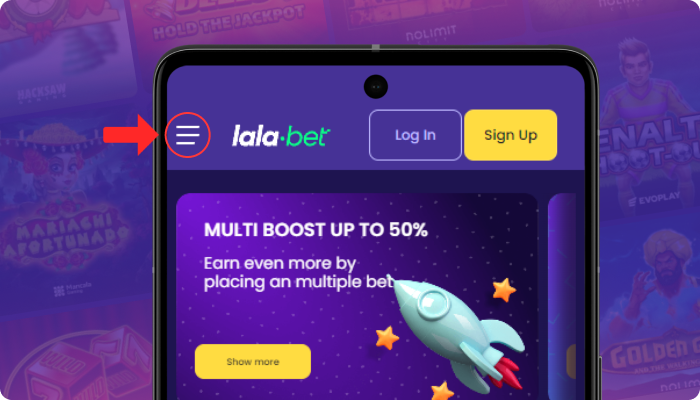
The most underrated feature of any casino app is its navigational framework, yet it directly shapes how quickly a player discovers a favorite game or controls their account. An well-designed mobile interface does away with the multi-column layouts of desktop sites in favor of a bottom navigation bar or a collapsible hamburger menu that keeps critical actions reachable by one thumb. Casino apps designed with mobile-first principles divide their lobby into horizontal scroll strips titled “Slots,” “Live Casino,” “Table Games,” and “Jackpots,” letting users to swipe sideways through categories without leaving the main screen. A persistent search bar positioned at the top of the lobby allows players bring up specific titles by name or provider in seconds, skipping the need to tap through multiple submenus. Color contrast, icon size, and touch-target spacing are optimized to reduce mis-taps, which is especially vital when real money is at stake and an accidental spin on a high-stakes slot could prove costly.
Beyond the game lobby, the cashier and account management sections must be logically arranged spiegel.de and responsive. Tabs for “Deposit,” “Withdraw,” and “Transaction History” should be visible immediately upon entering the banking area, with saved payment methods presented as recognizable card or e-wallet icons rather than obscure text strings. A well-designed casino app also offers quick-jump shortcuts; for example, tapping the account balance at the top of any screen brings up the deposit panel, and long-pressing a game tile puts it to a favorites list without navigating into a submenu. Loading speeds between sections count enormously. An app that stalls for two or three seconds each time a user switches from slots to live casino creates friction, whereas one that renders screens asynchronously feels instant. The LalaBet Casino app showcases this design philosophy by caching lobby thumbnails and provider filters, so returning players spend minimal time waiting for the interface to populate. Good navigation design eventually fades into the background, enabling the player focus entirely on the game.
Installing and Configuring the Mobile App
Obtaining a dedicated casino app is a bit different between iOS and Android ecosystems, and using the correct procedure avoids blocked installations or security warnings. For iPhone and iPad users, the process remains uncomplicated since Apple’s walled-garden method concentrates distribution through the App Store. Looking for the official app by inputting the exact brand name into the store’s search bar yields the verified result, identifiable by the operator’s logo and a substantial number of reviews. Tapping the download button pulls the package straight to the home screen, and after a fast installation, the app requires permissions for notifications and location services, both of which can be adjusted later through the system settings. The full iOS installation usually finishes in under two minutes on a broadband connection.
Android users navigate a a bit different route because Google Play Store rules regarding real-money gambling apps differ by region. In many jurisdictions, the app is delivered as a standalone APK file acquired from the operator’s website. The process begins by going to the official mobile site, identifying the “Install App” or “Android APK” section, and initiating the download. Before the file can work, the device’s security settings must be briefly changed to permit installations from “unknown sources” or “install unknown apps” for the browser being used. Once this toggle is turned on and the APK opens, the installation wizard directs the user through standard permissions. After the icon shows up on the home screen, the unknown sources setting can be disabled again to reinstate the device’s default security posture. Players should delete the APK file after installation to liberate storage and circumvent accidental re-installations of outdated versions. In both operating systems, starting the app for the first time prompts a login or registration screen, and existing account holders can immediately sign in without re-entering payment details if the operator enables tokenized credential storage.
Financial Services, Security, and Safe Play
Payments and Cashouts on the Go
A smooth mobile cashier transforms a casino app into a comprehensive financial tool. Deposit interfaces must support an assortment of methods suitable to the player’s region, including Visa, Mastercard, Skrill, Neteller, PayPal, Paysafecard, and instant bank transfer services. The mobile app keeps encrypted payment tokens rather than full card details, so existing players can reload a balance with a single biometric confirmation rather than inputting sixteen-digit numbers on a small keyboard. Deposit limits are settable directly within the cashier, and minimum and maximum amounts are shown dynamically based on the selected method. Withdrawals observe the same principle: the app displays pending, processed, and completed cashout requests with timestamps, and any required identity verification documents can be uploaded by photographing them through the device camera. A dedicated notification notifies the user when documents are approved or when additional information is needed, maintaining the process transparent without requiring the player to contact support.
Account Protection and Data Security
Protection on a casino app goes beyond a simple login screen. Modern implementations incorporate biometric authentication—fingerprint scanning or Face ID—that sits on top of the standard password entry, permitting registered device owners to access the app in a fraction of a second while blocking unauthorized access. All data sent between the app and the operator’s servers passes through TLS 1.3 encryption, the same protocol utilized by banking applications, and sensitive operations like password changes or withdrawal requests activate an additional two-factor verification step delivered via SMS or an authenticator app. The application sandbox prevents other installed programs from reading the casino app’s cached data, and copy-paste functionality may be limited inside password fields to protect against clipboard snooping malware. Regular penetration testing by independent security firms guarantees the codebase keeps resilient against emerging threats, and the app records all login attempts so users can detect unusual activity immediately.
Safe Play Controls
Carefully crafted casino apps embed responsible gaming tools straight into the account settings rather than burying them in a separate website section. Players can set daily, weekly, or monthly deposit caps that cannot be overridden without a cooling-off period, and session timers display elapsed play duration with an optional pop-up reminder when a predetermined interval is reached. Loss limits, wager limits, and reality-check notifications are adjustable through simple sliders and toggle switches. The self-exclusion function, when activated, blocks access to the app across all linked devices for a chosen span ranging from six months to five years, and the operator ensures that marketing communications cease simultaneously. Direct links to third-party support organizations such as GamCare and BeGambleAware are listed inside the tools section, and a self-assessment questionnaire helps players evaluate their gambling behavior discreetly. These features meet regulatory requirements while genuinely empowering users to manage their time and spending without exiting the gaming environment.
Push Alerts and In-App Notifications
Push notifications function as the essential bridge between the casino operator and the player when the app is not actively in use. Unlike email promotions that are buried in crowded inboxes, a timely notification about a new game release, a reload bonus, or a live tournament can bring a player back to the app within seconds. The most sophisticated casino apps offer granular control over notification categories. A player might activate alerts for withdrawal completions and exclusive bonus offers while muting promotional pushes for specific game verticals they do not play. This customization resides inside a dedicated notification settings panel, grouped by topic rather than displayed as a single on/off switch. Notifications leverage device-level APIs to appear on the lock screen with rich media, showing the operator’s logo and a concise message body. Deep linking guarantees that tapping a “new Megaways slot available” alert opens the app directly to that specific game, not just the lobby.
In-app messaging functions differently from push notifications, serving as a logged communication channel visible only while the app is active. Account managers or automated systems use this feature to provide personalized game recommendations, VIP tier upgrades, and support ticket updates. The inbox sorts messages by date and category, and unread badges on the navigation icon prompt users to check new content without breaking their session. Both push and in-app channels follow the player’s contact preferences, and any time devoted reading support replies inside the app accumulates toward session limits if the responsible gaming timer is running. By mixing timely outreach with user-controlled filters, a mature notification system boosts engagement without growing into intrusive, transforming the app into a personalized hub rather than a blanket marketing megaphone.
Special App-Only Options
Purpose-built casino apps progressively act as gateways to functions that website users lack access to, creating a compelling reason to install the software also for players who usually prefer desktop play. App-exclusive bonuses are the most visible of these perks: a deposit match or free spins package designated “Mobile Only” funds directly into the account when the applicable deposit is completed through the app cashier. In addition to bonuses, apps can run live tournaments where the leaderboard refreshes in real time as players wager or deal, featuring push notifications that alert participants when they have been overtaken. Some platforms offer mobile-only game variants, such as portrait-first roulette tables built from the ground up for vertical screens, including chip placement zones optimized for thumb reach and minimum scrolling.
Biometric quick-login and personalizable home screen shortcuts symbolize two additional mobile-exclusive conveniences. Players who utilize the LalaBet Casino app can hold down the home screen icon to access a shortcut menu that goes right to the deposit screen or a favorite game without browsing through the lobby. The app may also connect with device widgets, displaying current bonus progress or a live jackpot counter on the phone’s home screen. Haptic feedback, where the device delivers a subtle vibration on a big win or a bonus trigger, brings a sensory layer that desktop play cannot replicate. These mobile-specific elements accumulate into an experience that seems native to the device rather than adapted, and they show why operators invest heavily in app development alongside their browser platforms. Players who take advantage of these features often discover that the app becomes the standard way they access their accounts, even when positioned at a desk with a computer within reach.